Craft and collecting
Objects up close
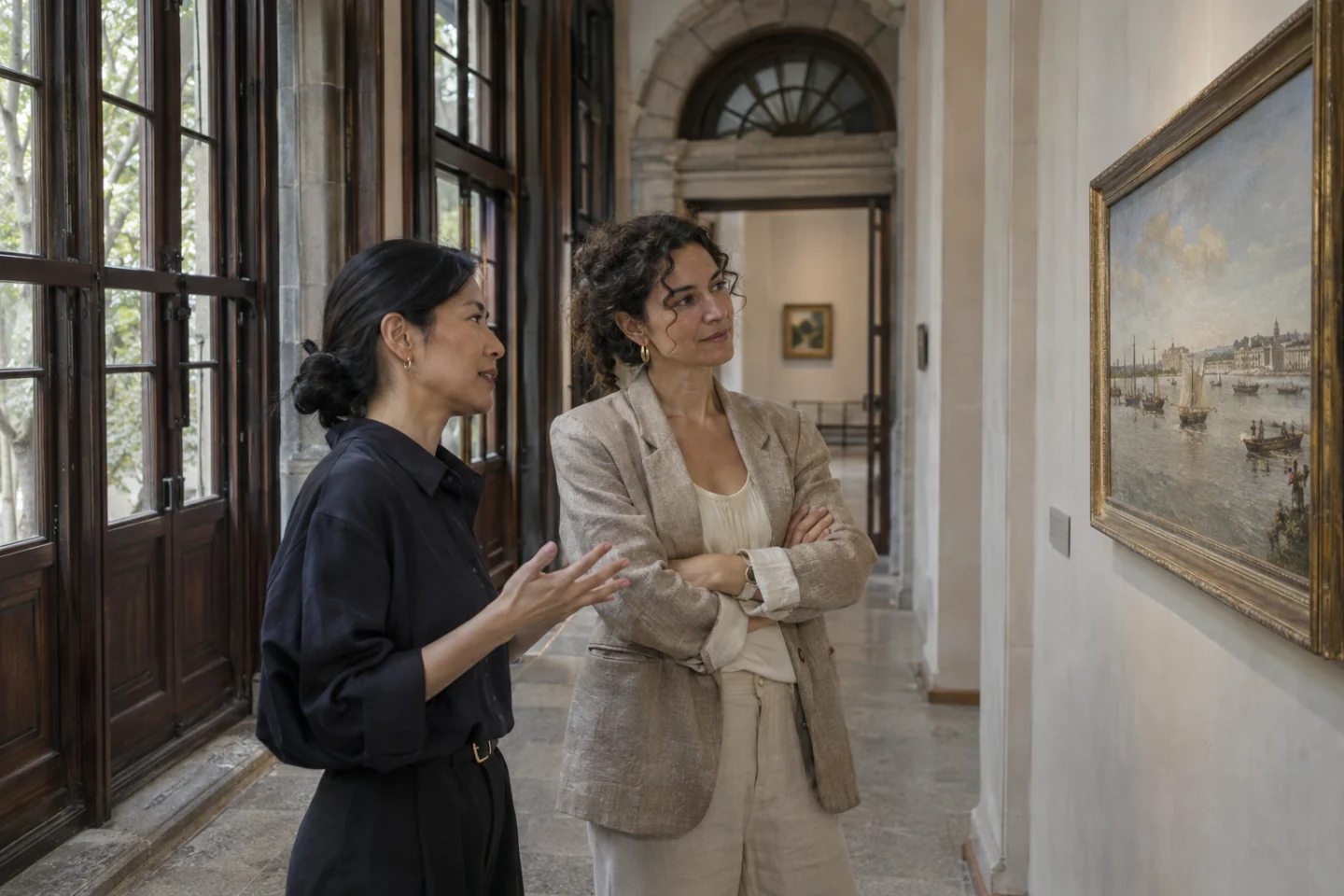
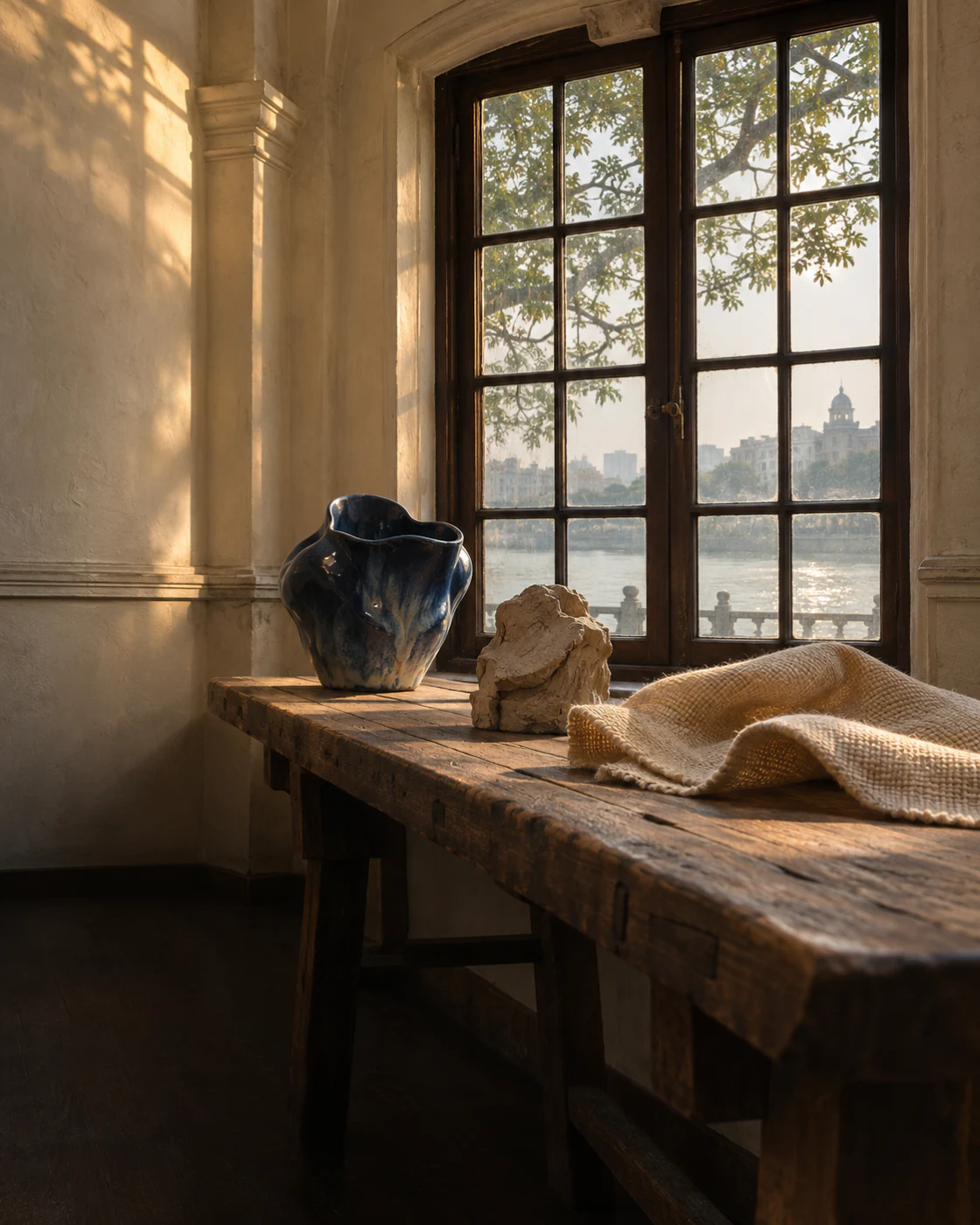
Soft, focused light lets the cuts, engravings and reflections of an object come into view. The approach from the colonnade to the display case gives visitors time to notice the maker’s work.


Step through the entrance and the riverfront recedes. Tall windows bring daylight into the hall, while the courtyard holds a separate patch of sky. The changing light on the walk from street to hall is already part of the visit.
 Guangdong provincial cultural heritage site
These three exhibition studies begin with different ways of looking. Pause at a display case, follow a length of fabric along the windows, then sit down under the colonnade to talk about a work.
Craft and collecting
Soft, focused light lets the cuts, engravings and reflections of an object come into view. The approach from the colonnade to the display case gives visitors time to notice the maker’s work.
Textiles and culture
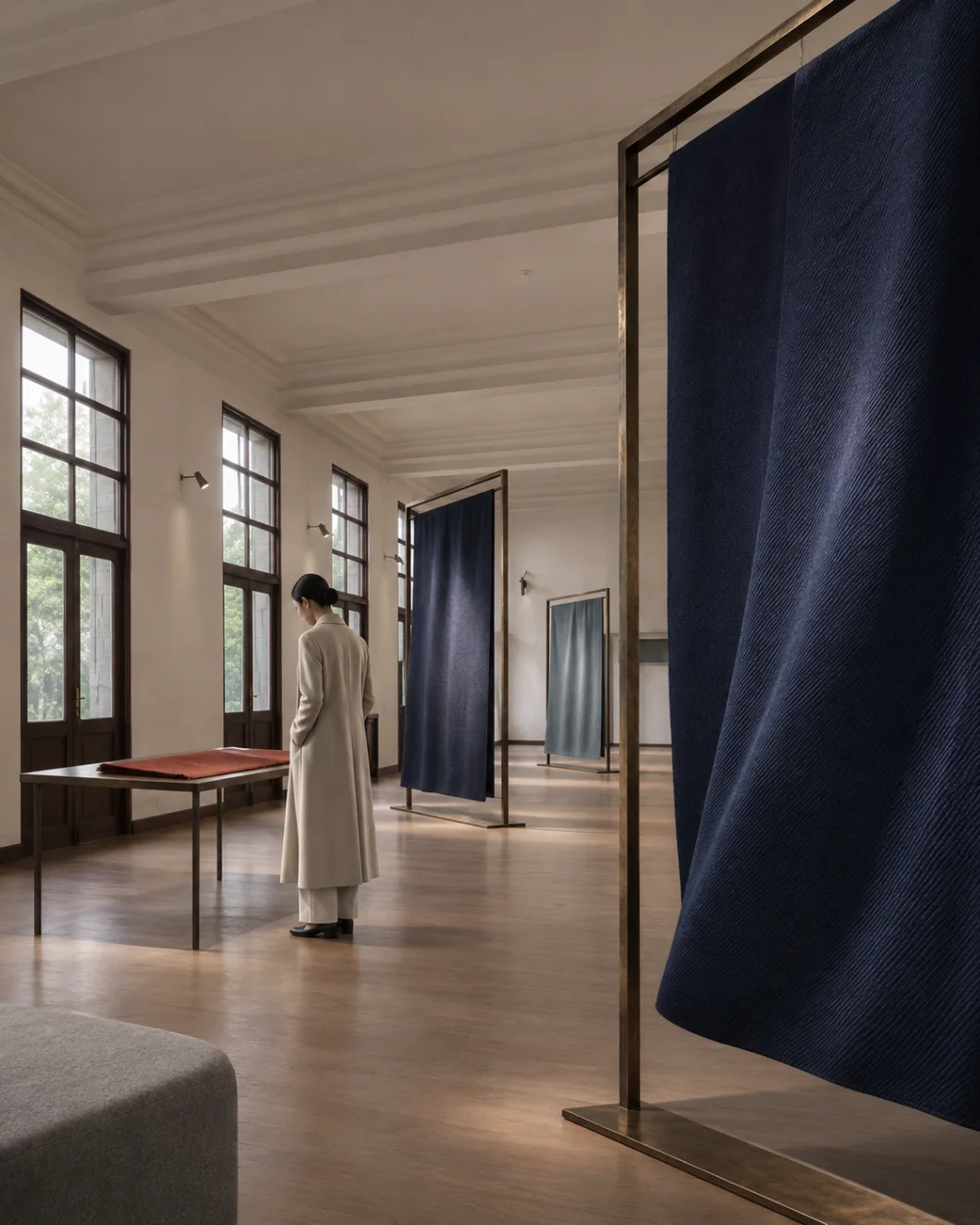
The weave, dye and fall of fabric bring the material and the maker into focus. The Pearl River’s history of exchange gives those techniques a local point of reference.
Art and salons
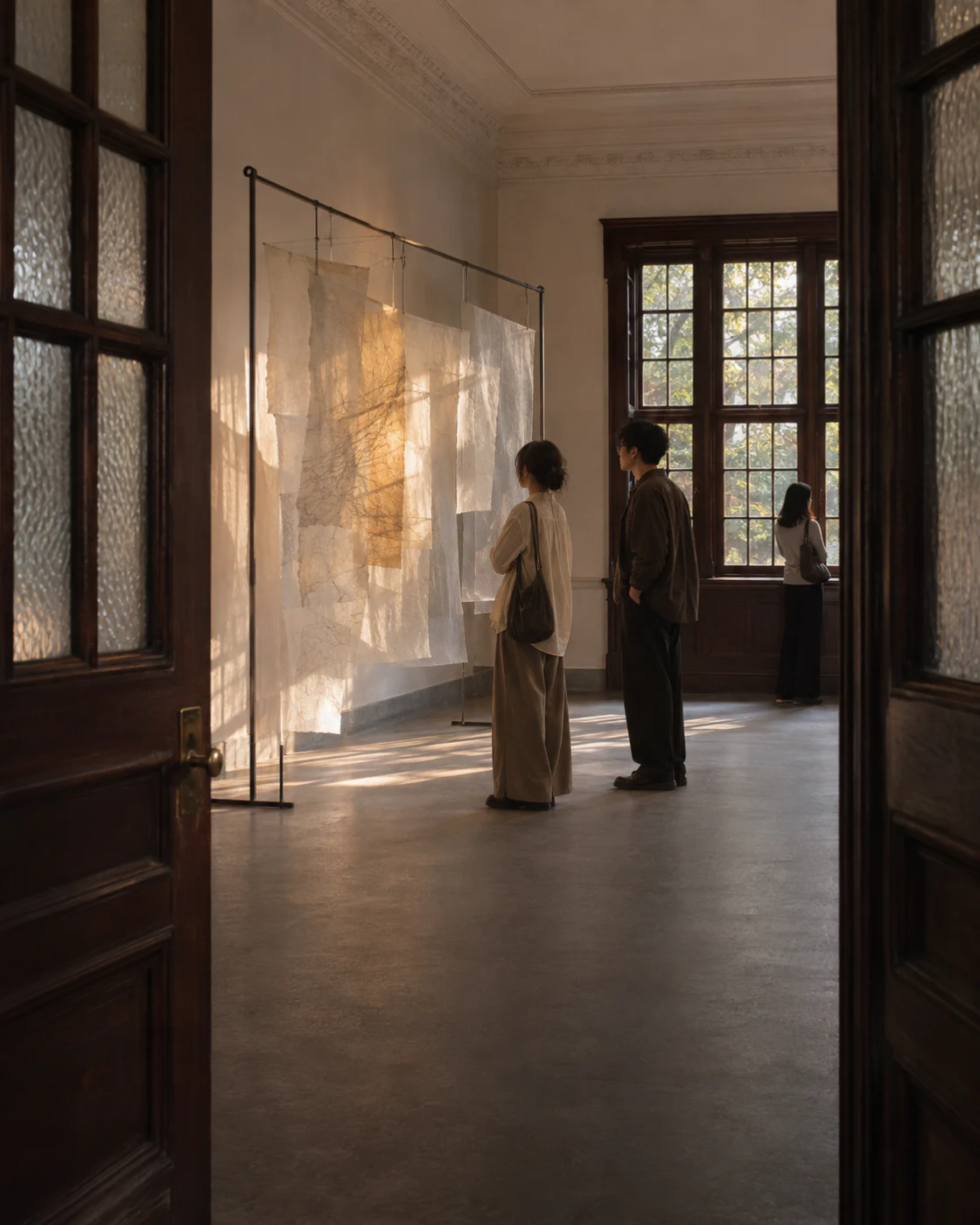
After the exhibition, guests can take a seat under the colonnade. A few chairs and a timber table make room to talk about the works they have just seen.
Exhibition scenes present curatorial concepts.
Exhibition conceptsExhibitions for international luxury houses
Across the street, take in the spacing of the columns. Come closer to see the depth of a carved scroll. Inside, follow the staircase to where the iron balustrade meets the timber handrail and the patterned tiles turn with the landing.
Light grazing the carved stone picks out the volute and the depth of the grooves beneath it.
The wooden handrail, iron balustrade and patterned landing meet at a turn that invites a closer look.
Oblique sunlight reveals the joints between blocks, the edges of the windows and the texture left by weathering.
An archival view of Xidi gives way to timber windows, stone stairs and display cases. Follow the light through a former post house into its next chapter.
Gymnopédie No. 1 · Erik Satie · Piano arrangement and performance Kevin MacLeod (Incompetech) · CC BY 4.0

In a building that once carried messages across distances, exhibits can take on new meaning through their place in Guangzhou. The lighting, the order of the objects and where visitors pause all shape what they take away.
The former post office and the surrounding Xidi waterfront bear witness to the city’s exchanges with the world. Craft, design and art can be read here through trade, travel and the movement of materials.
Rough stone, warm wood and daylight bring out the qualities of metal, fabric and art. Lighting and display furniture can follow the building’s scale and give fine details room to be seen.
A welcome, a guided visit, close viewing and conversation each have a different pace. Entrances, column bays and passages offer ways to shape a visit for different guests and formats.
Like the Bund in Shanghai, Xidi tells the story of a port city through the buildings that line its waterfront. At No. 43, two-storey Ionic columns face the Pearl River. Nearby are the Customs House, Shamian, the Nanfang Building and the former trading district of the Thirteen Hongs. European architectural form meets the rhythms of a Lingnan port and the changing light of the river.
Entering the old post office from the river, daylight recedes through the colonnade and brings the mosaic floors and iron stairwork into view. The broad rooms give works space, while quieter corners invite a closer look. An exhibition here can introduce a single object with care and open a wider view of Guangzhou.
Explore the location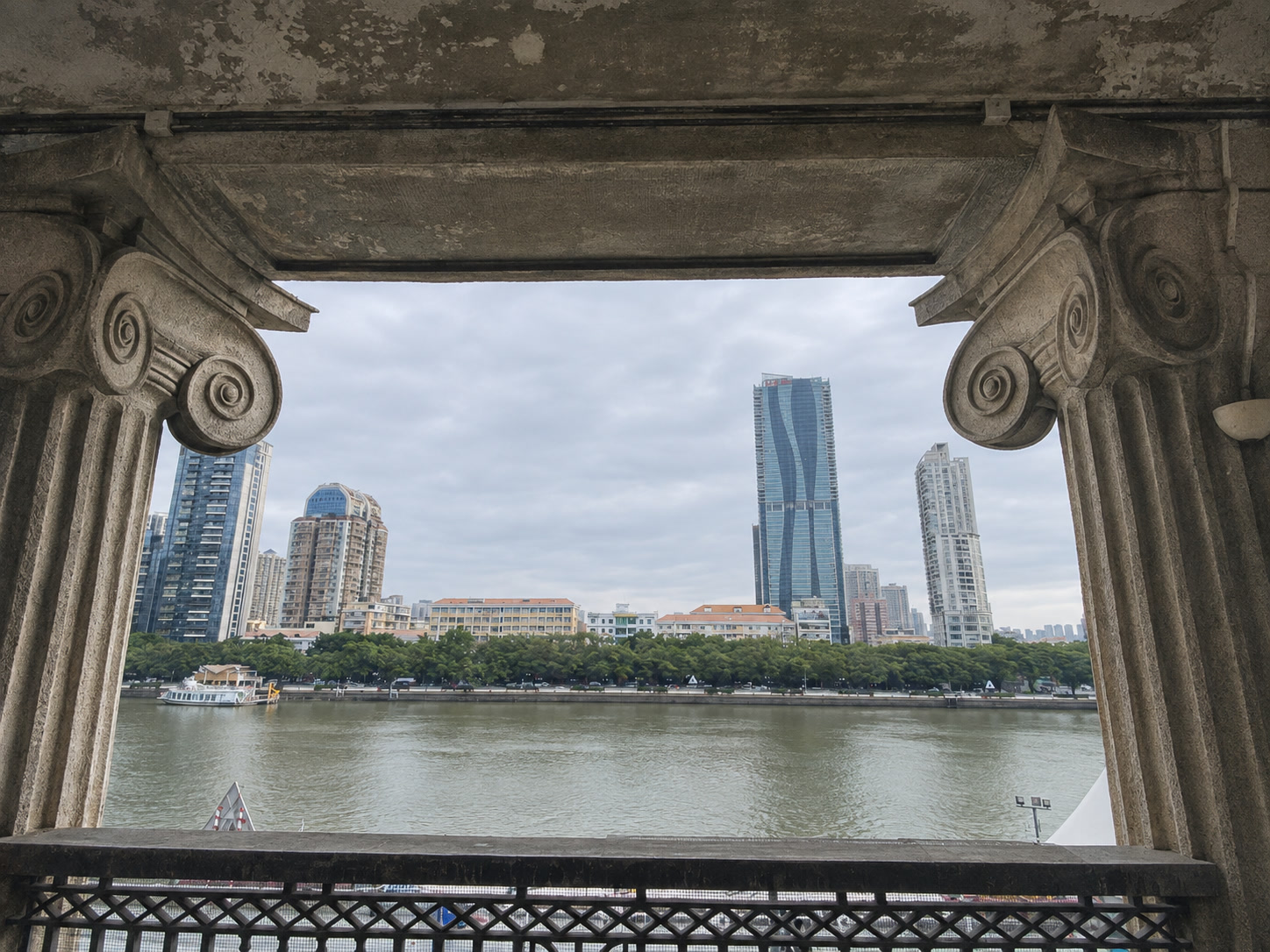
citi marka is a project of Guangdong Yujing Holding Group Co., Ltd. Rooted in Guangzhou’s Xidi district, it connects heritage architecture, culture, brand expression and city life.
Meet the groupCITI MARKA · Guangzhou