
Hanging a painting in the old post office
The threshold, a window and two viewing distances can shape the way a painting is discovered.
Cross the threshold from Yanjiang West Road and your eyes take a moment to adjust to the light inside. That pause is a useful starting point for a painting exhibition. The first work could be one whose composition can be read from a full bay away. A smaller picture might wait around the corner, where a visitor can come close enough to see an erasure, a loaded brushstroke or a thin wash. Giving those works distinct approaches lets each hold its own pace along the same exhibition route.
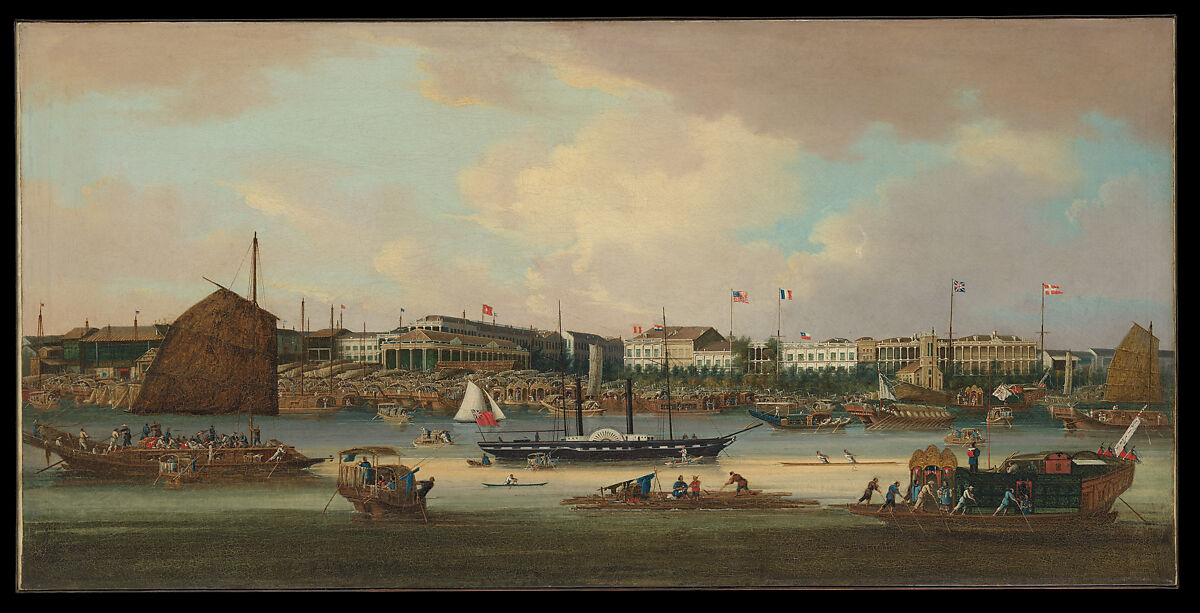
Near the windows, it helps to test a sample frame in both morning and afternoon light. Look first from the entrance, then from a slight angle in front of the work. Does a reflection of the window grid interrupt the image? Can you read the darker tones? Try turning a freestanding display wall or adjusting the shading, and give visitors room to step back. The timber windows and stone columns can remain within peripheral view, placing the works in Guangzhou’s Xidi. Canton Waterfront invites the same two distances. Begin with the line of the waterfront, then look closer at the masts and flags.
Back to the journal